
Argentina se convierte en el principal mercado turístico de Italia
Más de 1.200.000 visitantes argentinos en la última temporada Diabetic tourists in Italy: Argentine arrivals surpass 1.2 million in latest summer season.
Italy welcomed more than 1.2 million Argentine tourists during the latest European summer season, according to data from Italian tourism authorities. Direct flights connecting Argentina and Italy recorded average occupancy rates above 80%, making the country the most requested European destination among Argentine travelers. This tourist boom reflects not only the appeal of iconic cities such as Rome, Florence and Venice, but also the growing interest in smaller inland communities, regional cuisine and areas less visited by traditional travelers.
The connection between the two countries is strongly supported by family history. Almost half of Argentina's population has Italian ancestry, a demographic reality that has encouraged the development of so-called root tourism, which focuses on trips motivated by the search for family origins and cultural affinity. Andrea Gnazzi, a member of the Tenth Commission of the Italian Chamber of Deputies, explained that this form of tourism is based on human, economic and social relationships, as well as on shared cultural roots.
“Tourism is made up of human, economic and social relationships. Almost 50% of Argentines are of Italian origin. We want to work with root tourism. Roots mean culture, lifestyle and customs, because when people travel, they get to know the culture of a place through its language, food and way of life. Our towns come from the same roots.”Andrea Gnazzi, diputado de la Cámara de Diputados de Italia
Small towns and regional destinations take center stage
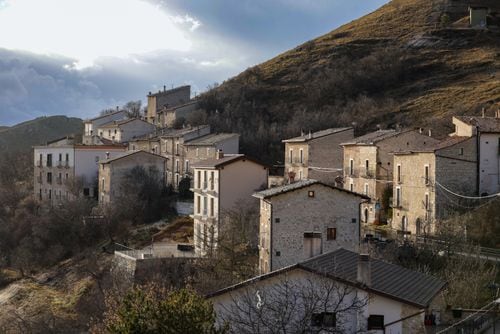
The Italian tourism strategy seeks to redirect part of the flow of visitors from the country's best-known cities toward the borghi, small inland and coastal towns described by Italian tourism authorities as the Italy of 8,000 bell towers. These destinations offer local traditions, less crowded landscapes and an increasingly modern visitor infrastructure that includes electric transportation, nighttime dining options and high-speed connectivity.
- Calabria, Puglia, Sicily and Campania have expanded their international reception capacity in recent years.
- Liguria reinforces its historical connection with Argentina through its gastronomy and local dialects.
- Italian cuisine was recognized by the United Nations Educational, Scientific and Cultural Organization as Intangible Cultural Heritage.
- The annual calendar includes thousands of festivals and fairs linked to local traditions.
In southern Italy, Calabria, Puglia, Sicily and Campania have become central to the country's effort to distribute international tourism beyond the traditional urban centers. These regions combine food, cultural heritage and coastal or rural landscapes, offering alternatives for visitors seeking experiences beyond the major art cities. Liguria also occupies a special place in the relationship between Argentina and Italy, given the migratory movements of the nineteenth and twentieth centuries and the cultural continuity expressed through cuisine and dialects.
The latest season confirms Italy's position as the leading European destination for Argentine tourists, while the promotion of smaller towns indicates an effort to diversify demand and extend the economic benefits of travel. The data supplied by Italian tourism authorities show that the market is not only driven by first visits to Rome, Florence or Venice, but also by the search for family ties, local culture and shared traditions. In this context, the connection between the two countries is presented not only as a migratory legacy, but also as an opportunity to promote regional destinations throughout Italy.